






Project Background
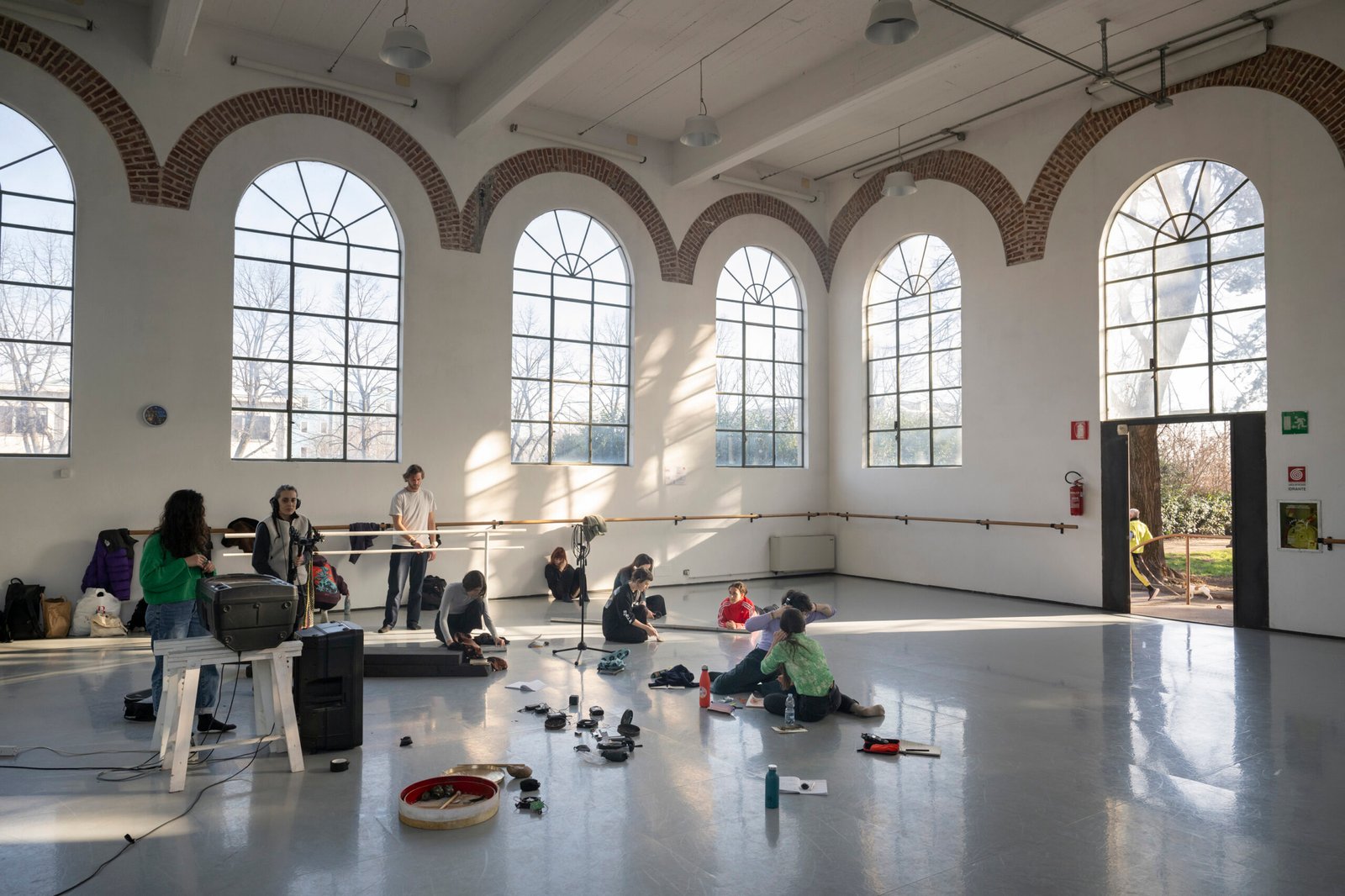
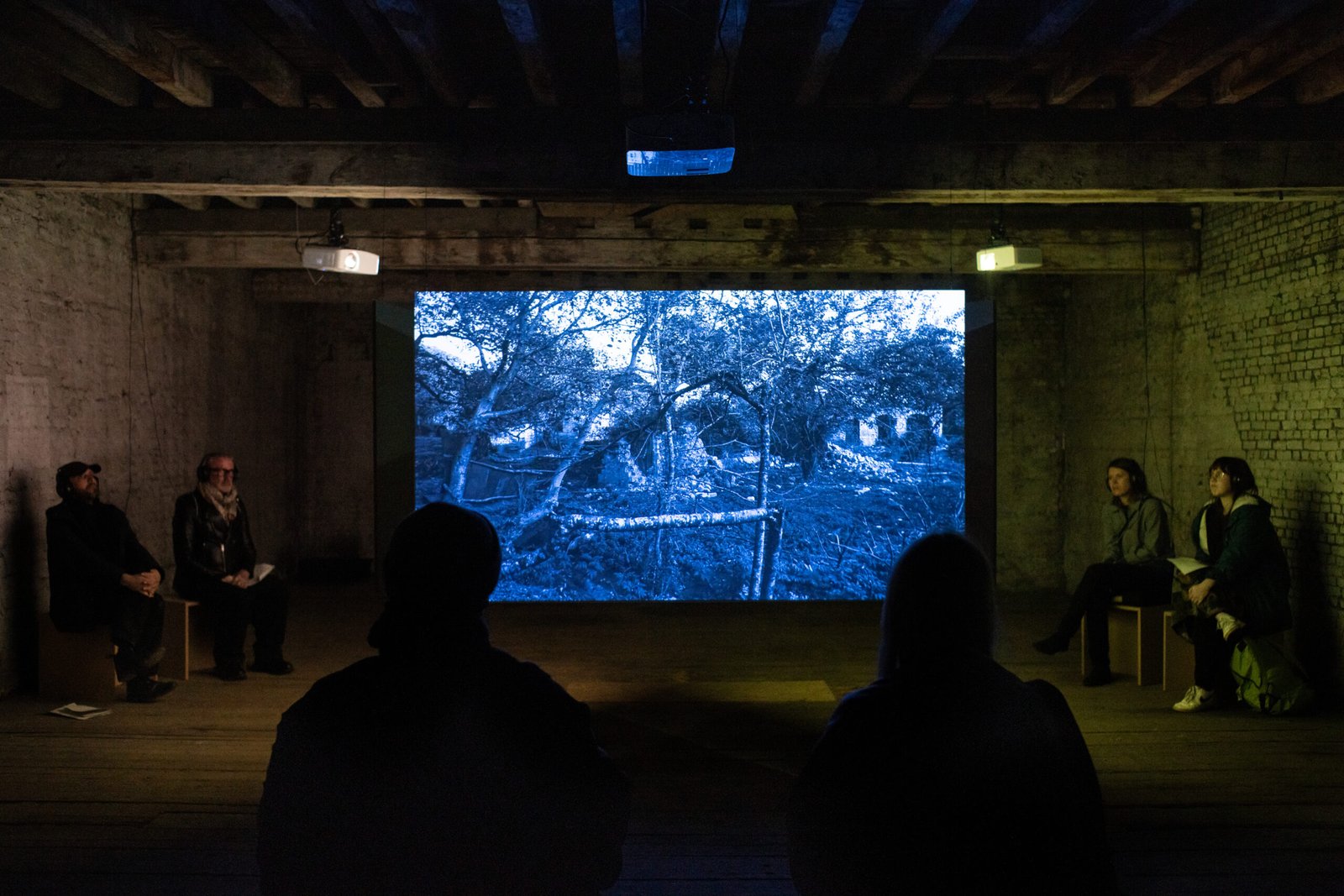
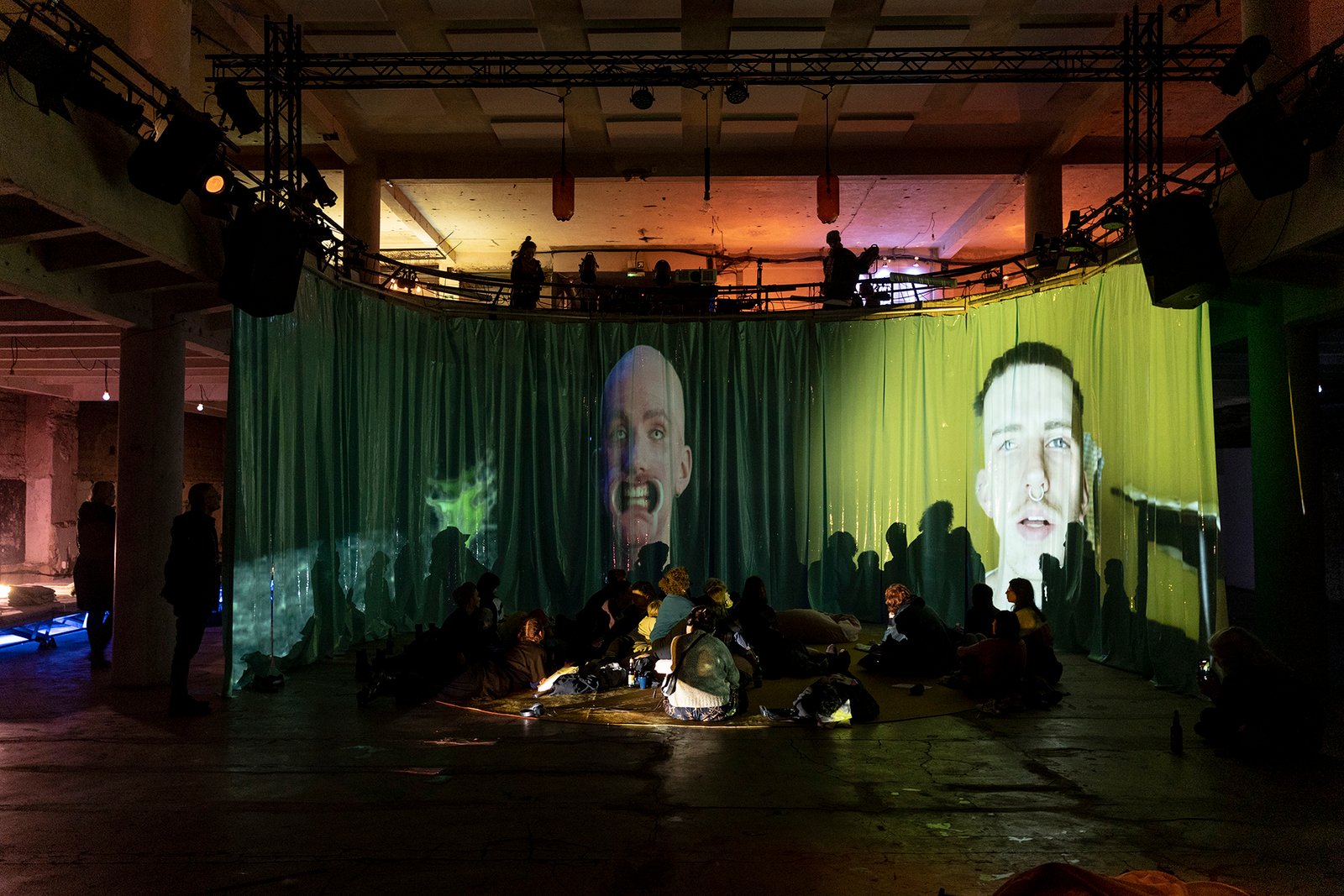
In 2023, the small-scale European project On Mobilisation: Micro- and Transnational Community Mobilisation through Artistic Practice was launched, aiming to activate forms of cultural participation. Over 26 months, the project embraced the specific local contexts of four partner organisations: wpZimmer (Antwerp), Baltic Art Center (Gotland), Studio ALTA (Prague), and Lavanderia a Vapore (Collegno). It was carried out in close collaboration with six international artists: Kalle Brolin, Elisabetta Consonni, Daniele Ninarello, Ahilan Ratnamohan, Marika Smreková, and Danae Theodoridou. Through collaborative work, the project initiated and promoted transformative practices of cultural engagement and grassroots mobilisation.
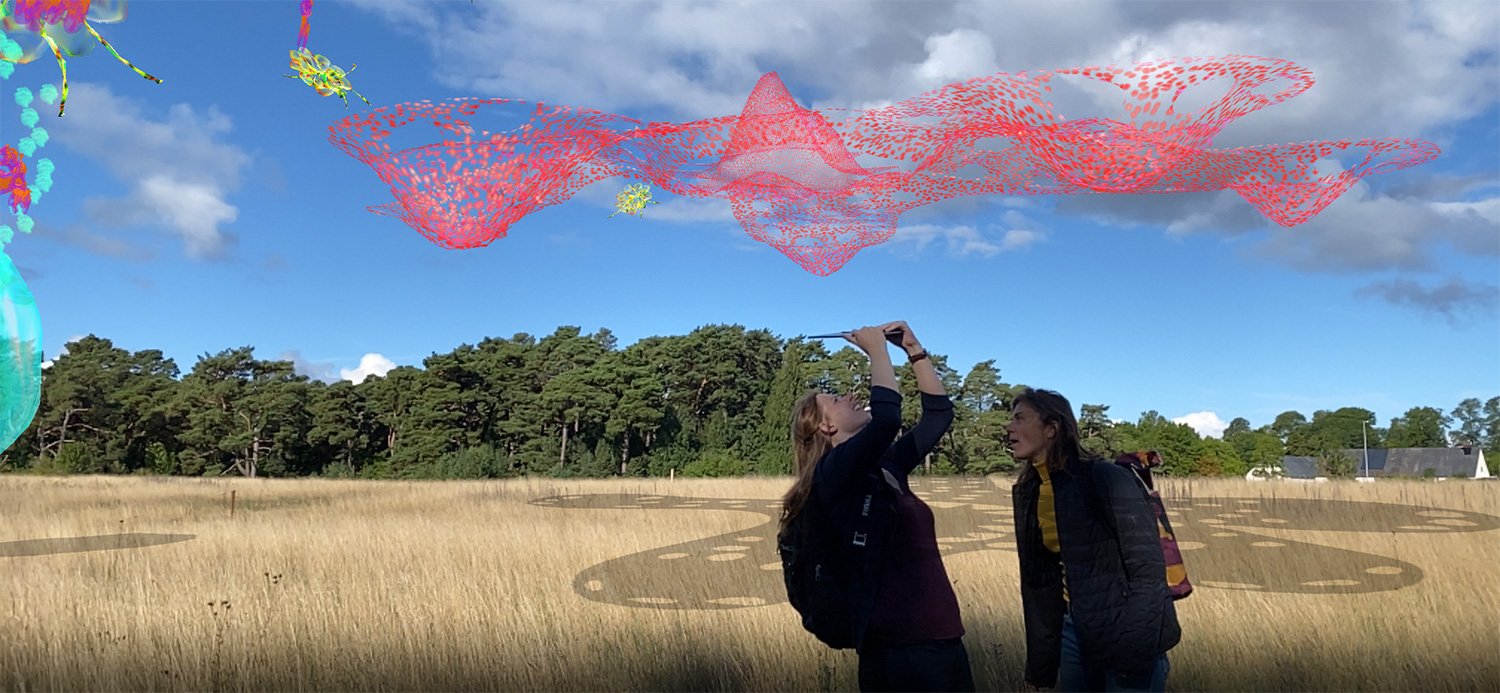
During the final evaluation meeting in Antwerp in February 2025, held alongside the project’s concluding symposium and exhibition, the consortium concluded that the project had exceeded expectations. This was particularly evident in its impact on local cultural policy in Gotland, Prague and Collegno. In Gotland, a new peace movement was initiated by members of a micro-community engaged in the artistic research led by Kalle Brolin and facilitated by BAC. In Prague, thanks to two years of sustained advocacy within the artistic research led by Marika Smreková and facilitated by Studio ALTA, several cultural institutions began implementing parent-friendly policies. And in Collegno, the project mobilise diverse communities and generated a new intergenerational community, providing a common ground through the arts while prototyping a model of transversal curation among artists and curators that are associated with Lavanderia a Vapore. At the same time, it revealed a clear need for sustained transnational collaboration and deeper cross-disciplinary engagement within the European cultural sector.
In response, the consortium defined a renewed and more ambitious direction for the next phase, establishing a new partnership composed of: Lavanderia a Vapore (IT), Out of Sight (BE), Baltic Art Center (SE), BLOK (HR) and Divadlo X10 (CZ)
On Mobilisation. Towards Multivocal Collaborative Futures decisively builds on the groundwork laid in the first phase of the project from 2023-2025. It aims to deepen the connections between artistic production and non-formal/experimental pedagogy, bridging the work with social and political movements across Europe. With a firm commitment to experimentation and bottom-up methodologies, this new phase significantly scales up previous efforts. With this project consortium invests in long-term, transnational and cross-sectoral capacity building, developing qualitative methodologies that are both artistic and social, advocating for a more just, sustainable, and equitable cultural ecosystem, fighting precarity by generating qualitative and fulfilling jobs for artists and cultural workers coming from diverse social groups. Transnational collaborative way of working stays a methodological frame, ensuring a more experimental and innovative approach to artistic research, development, creation and presentation.